42 nutrient content claims on food labels
Nutrient Claims on Food Labels | Home & Garden Information Center Sodium content cannot exceed 360 mg per serving for individual foods and 480 mg per serving for meal-type products. If a food is labeled "healthy" or makes a health claim, it cannot contain any nutrient that increases the risk for disease. It must contain no more than 20% of the DV per serving of total fat, saturated fat, cholesterol, or sodium. Label Claims for Food & Dietary Supplements | FDA Among the claims that can be used on food and dietary supplement labels are three categories of claims that are defined by statute and/or FDA regulations: health claims, nutrient content claims,...
Nutrient content claims - Canadian Food Inspection Agency Specific nutrient content claim requirements How to use the claims tables Energy and calorie claims Protein claims Fat claims Saturated fatty acid claims Trans fatty acid claims Omega-3 and omega-6 polyunsaturated fatty acid claims Cholesterol claims Sodium (salt) claims Potassium claims Carbohydrate and sugars claims Dietary fibre claims
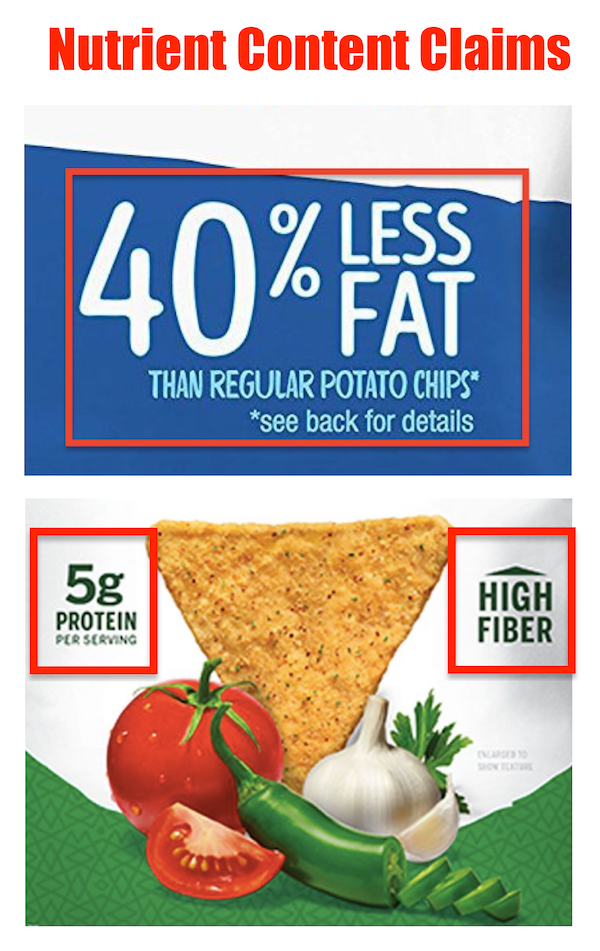
Nutrient content claims on food labels
Factual Food Labels: Health Claims This type of claim describes the nutritional content and nutrient levels of the food product in comparison to the accepted standard of the product. The terms that are used in this type of label is "free," "reduced," "high," and "low." These type of claims are only applicable to nutrients that have a % daily value established such as saturated ... Nutrient Content Claim vs Health Claim - LabelCalc Nutrient content claims, which are commonly used on food labels, either refer to the amount of a nutrient in a product or compare the levels of a nutrient in that food to a similar reference food. When referring to the amount of a nutrient in a product, words such as "low," "free," and "high" are often used. Status of Nutrition Labeling, Health Claims, and Nutrient Content ... Status of Nutrition Labeling, Health Claims, and Nutrient Content Claims for Processed Foods: 1997 Food Label and Package Survey - PubMed The Food and Drug Administration (FDA) conducts studies of food labels as part of its ongoing monitoring of the nutritional status of the US population.
Nutrient content claims on food labels. Understanding Food Labels and Health Claims - Nutrition Essentials This label is called a Nutrition Facts panel, which gives information on the number of servings per container, the number of calories per serving, and certain nutrients. Specifically, it lists the macronutrients and four of the most important micronutrients people need to pay special attention to, such as Vitamin D, Calcium, Iron, and potassium. Making a nutrient content claim on food labels - Food labels - Canadian ... Non-prepackaged products and prepackaged products exempted from showing a Nutrition Facts table are permitted to make nutrient content claims or other permitted nutrition-related statements or representations on either the label for the food and/or in an advertisement. However, if a claim is made by or for the manufacturer for a prepackaged ... Nutrient content claims - LII / Legal Information Institute (b) A claim that expressly or implicitly characterizes the level of a nutrient of the type required to be in nutrition labeling under § 101.9 or under § 101.36 (that is, a nutrient content claim) may not be made on the label or in labeling of foods unless the claim is made in accordance with this regulation and with the applicable regulations ... Nutrient content claims: what they mean - Canada.ca Table of nutrient-content claims and what they mean. The food provides an amount of a nutrient that is so small it likely won't have any effect on your body. The food is processed/modified so that it contains at least 25% less of the nutrient when compared with a similar product. Contains no added fats or oils or added butter or ghee, or ...
Decoding the Nutrition Label: Health Claims and Nutrient Content Claims Many Canadians use the nutrition label to find out about the amount of calories or nutrients found in a certain food. The nutrition label has plenty of information to help you make healthy choices at the grocery store. The nutrition label includes the Nutrition Facts table, the ingredient list, health claims and nutrient content claims.Health claims and nutrient content claims are two tools ... Nutrient Claims on Food Labels - Truly Good Foods Nutrient Claims on Food Labels July 19, 2018 Nutrient claims describe the content of a food, including the amount of nutrients, calories, cholesterol or fiber, but not in exact amounts. Usually on the front of the food label, the nutrient claim provides a quick comparison between similar products. Nutrition content claims and health claims - Food Standards Nutrition content claims are about the content of certain nutrients or substances in a food, such as 'low in fat ' or 'good source of calcium'. These claims need to meet certain criteria. For example, food with a 'good source of calcium' claim needs to contain at least the amount of calcium specified in the Standard. Health claims Nutrition claims - Canada.ca There are two types of nutrition claims on foods: nutrient content claims and health claims. These claims must also follow certain rules from Health Canada to make sure that they are consistent and not misleading. These claims are optional and may be found on some food products. Nutrient content claims describe the amount of a nutrient in a food.
Understanding Food Labels | The Nutrition Source | Harvard T.H. Chan ... Under the Food Allergen Labeling and Consumer Protection Act of 2004, eight major food allergens—milk, fish, tree nuts, peanuts, shellfish, wheat, eggs, and soybeans—are required to be listed in a "contains" statement near the Ingredients list if present in a food. An example would be "contains wheat, milk, and soy." Nutrient Content Claims | FDA Nutrient Content Claims. See Claims That Can Be Made for Conventional Foods and Dietary Supplements for definitions of claims. Final Rule: Food Labeling: Nutrient Content Claims; Alpha-Linolenic ... Label Claims for Conventional Foods and Dietary Supplements Food Packaging Claims | American Heart Association "Nutrient content claims" are used for two purposes: To describe the level of a nutrient in the product using terms such as free, high, and low or To compare the level of a nutrient in a food to another food using terms such as more, reduced, and lite.
structure function claims — Blog — FDA Reader
Status of Nutrition Labeling, Health Claims, and Nutrient Content ... Status of Nutrition Labeling, Health Claims, and Nutrient Content Claims for Processed Foods: 1997 Food Label and Package Survey - PubMed The Food and Drug Administration (FDA) conducts studies of food labels as part of its ongoing monitoring of the nutritional status of the US population.

What does a food label really tell you? - Holistic Athlete
Nutrient Content Claim vs Health Claim - LabelCalc Nutrient content claims, which are commonly used on food labels, either refer to the amount of a nutrient in a product or compare the levels of a nutrient in that food to a similar reference food. When referring to the amount of a nutrient in a product, words such as "low," "free," and "high" are often used.

How not to be fooled by simple food labels
Factual Food Labels: Health Claims This type of claim describes the nutritional content and nutrient levels of the food product in comparison to the accepted standard of the product. The terms that are used in this type of label is "free," "reduced," "high," and "low." These type of claims are only applicable to nutrients that have a % daily value established such as saturated ...
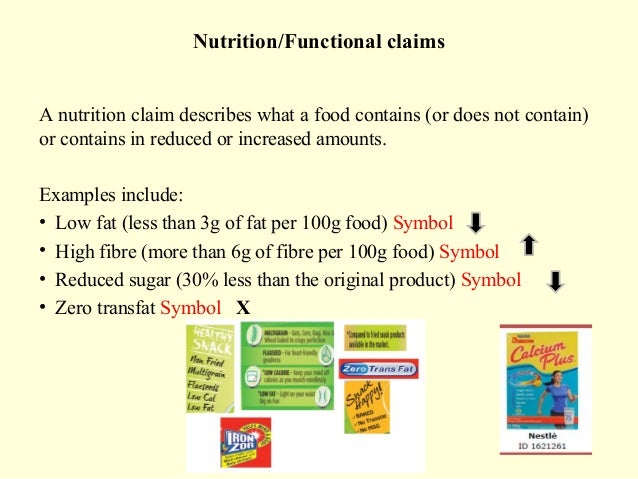
Nutritional labeling of food products
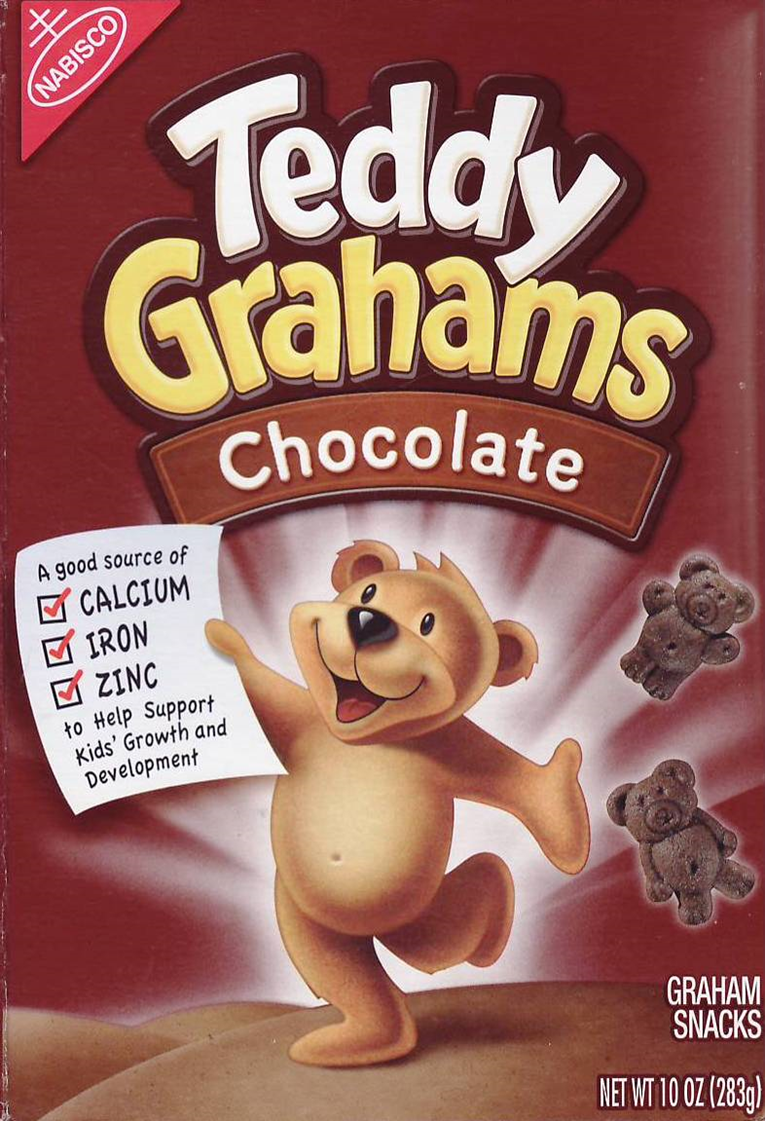
Food Politics by Marion Nestle » Vitamins

Reading Food Labels - Lifegym

Factual Food Labels: Health Claims - UT Austin 100% Online Master of Science in Nutritional Science
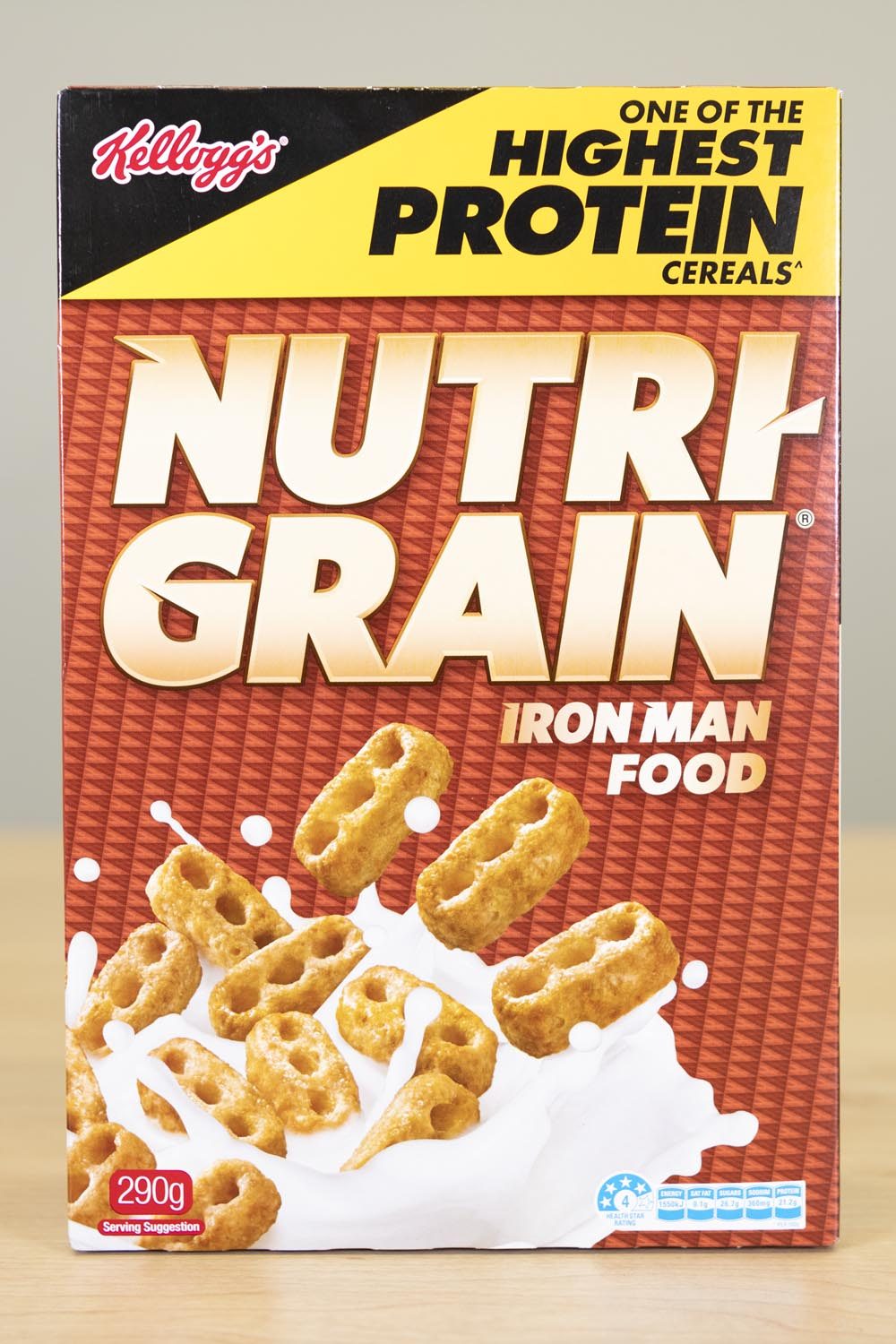
Food labelling overview | Obesity Evidence Hub
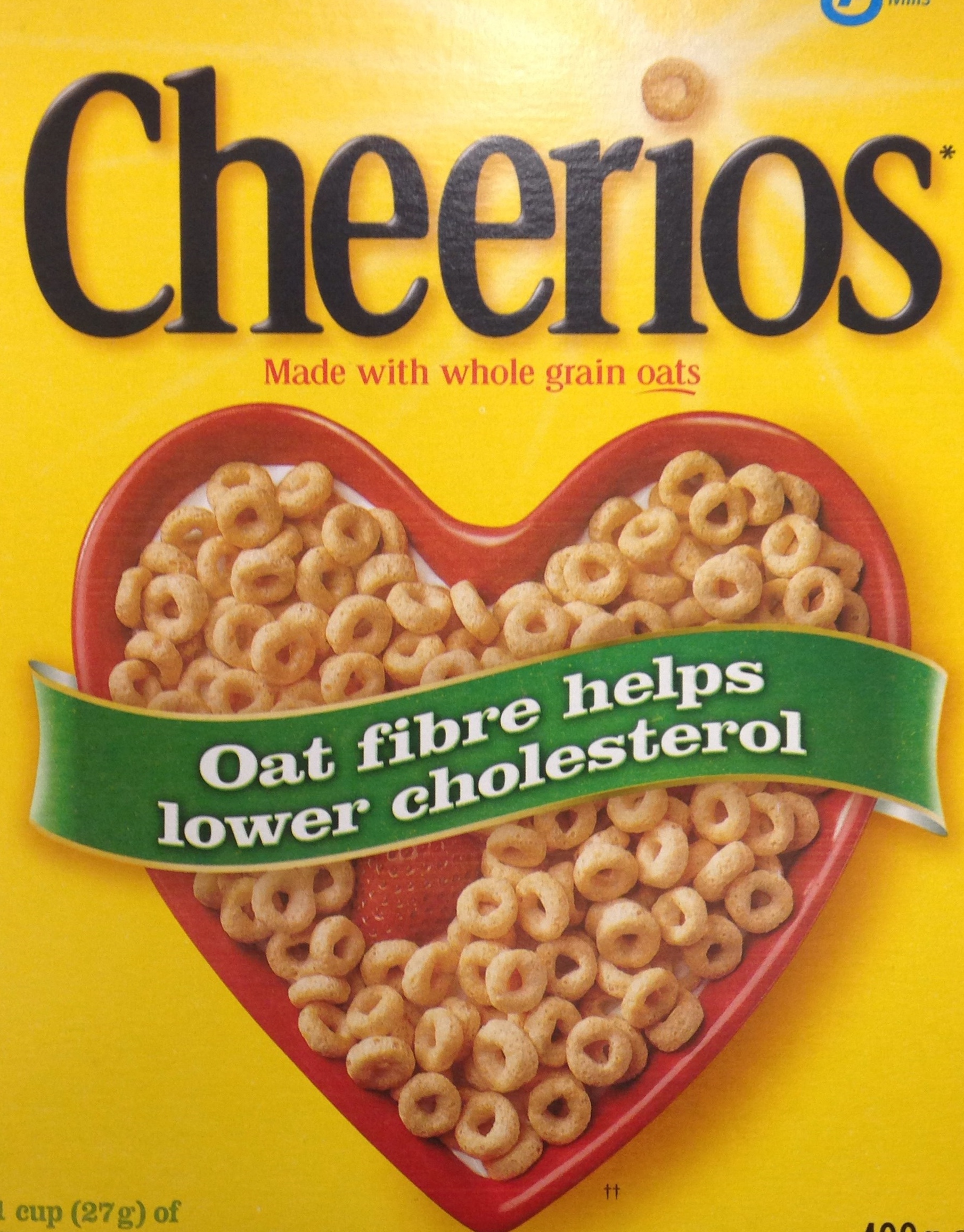
Nutrition Labelling and Marketing in Canada - Research Program for Nutrition Policy and ...

10.2 Food & Nutrients – Environmental Issues
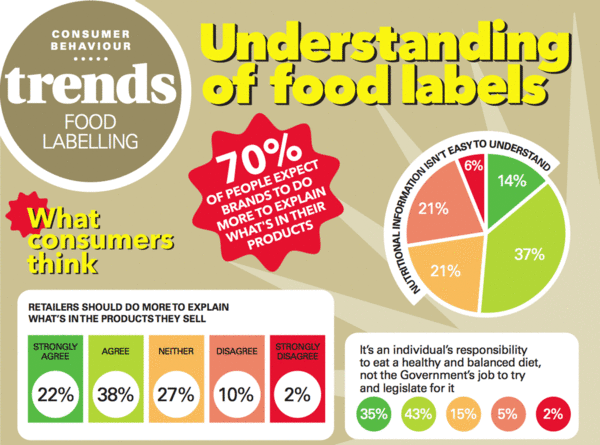
31 Understand Nutrition Facts Label - Label Ideas 2020

Weighty Matters: How About a Front-of-Package Health Claim Extension to Canada's Added Sugar Plan?
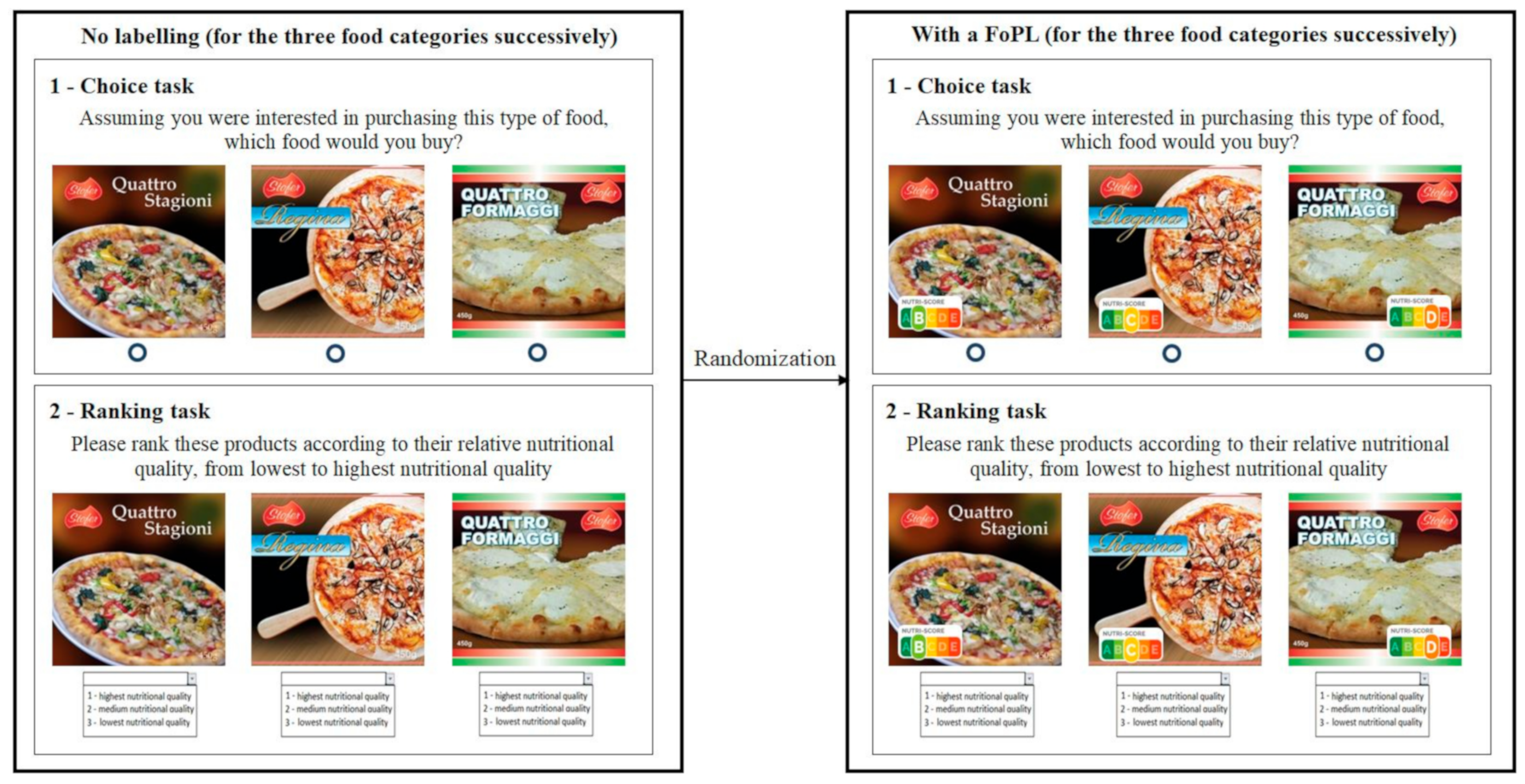
Nutrients | Free Full-Text | Consumers’ Responses to Front-of-Pack Nutrition Labelling: Results ...
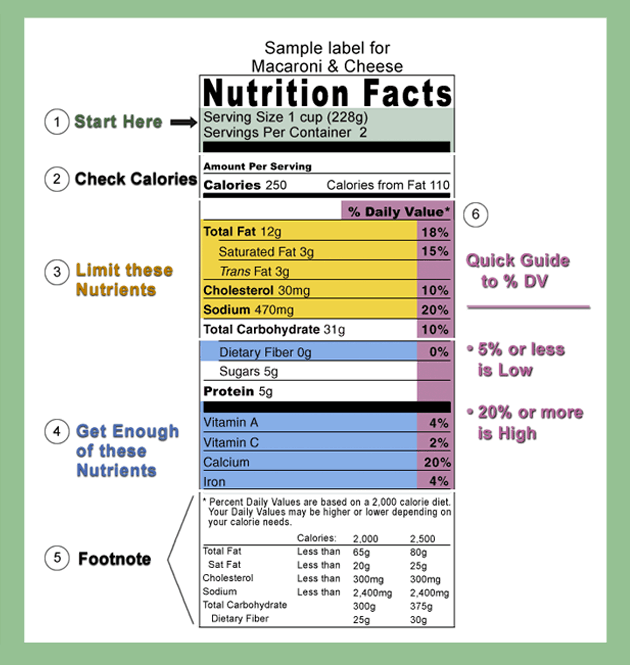
Why It Matters
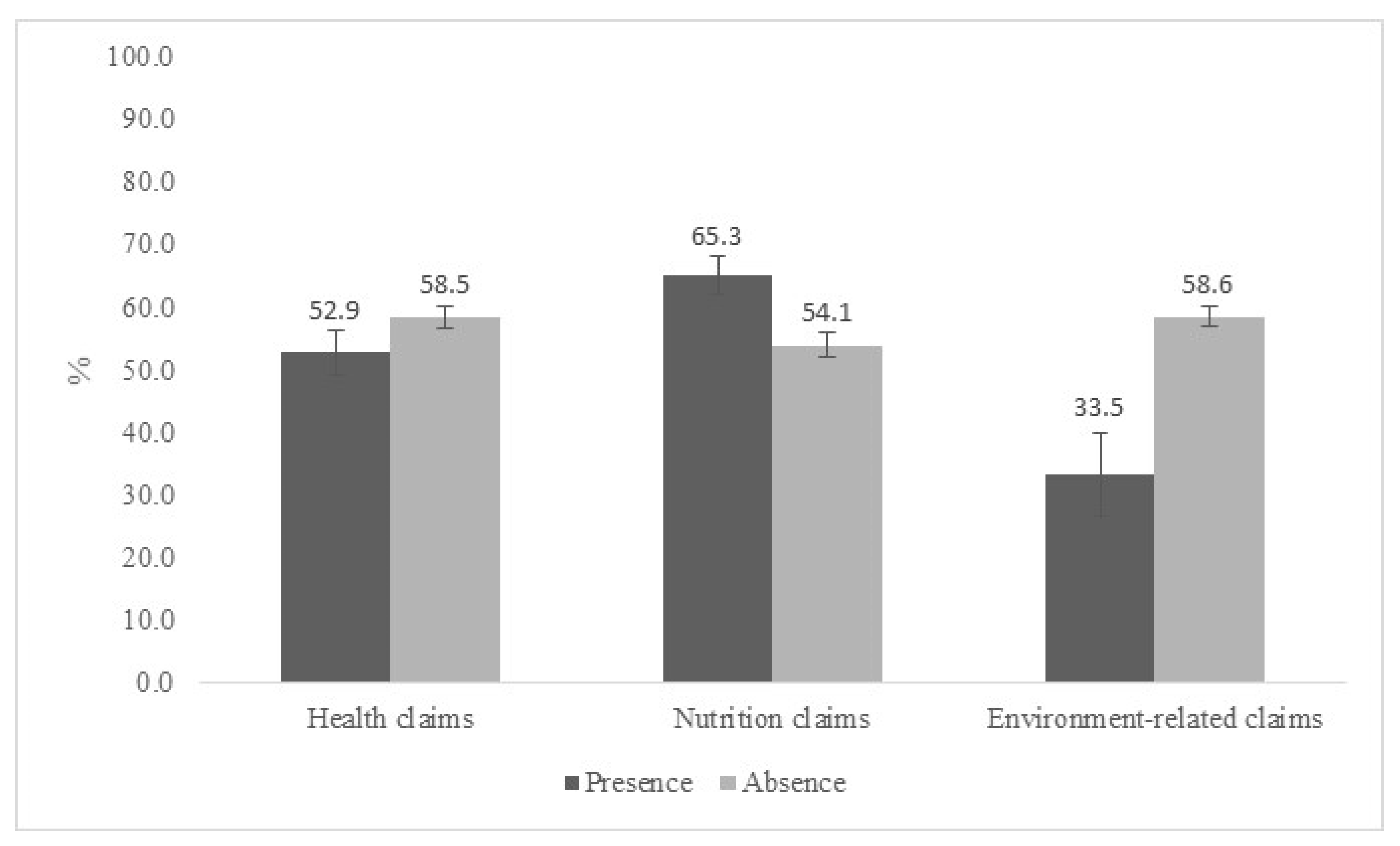
31 Which Part Of A Food Label Is The Primary Tool For Determining The Healthfulness Of The ...
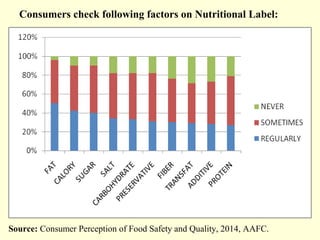
Nutritional labeling of food products
Post a Comment for "42 nutrient content claims on food labels"