43 how to identify gluten in food labels
en.wikipedia.org › wiki › Gluten-free_dietGluten-free diet - Wikipedia Any intentionally added gluten, even at low levels must be declared on the packaging and a gluten-free claim would be considered false and misleading. Labels for all food products sold in Canada must clearly identify the presence of gluten if it is present at a level greater than 10 ppm. European Union 13 Misleading Food Label Claims and How Not to Be Tricked - Sentient Media 1. Label Says "Sugar-Free". The Food and Drug Administration (FDA) provides guidelines for a variety of common food labels, including sugar-free. While the term suggests that products labeled this way would be completely free of sugar, they can actually contain up to 0.5 grams of sugar in a single serving size.
PDF Tips for Gluten-Free Label Reading For products which are neither certified nor labeled "gluten-free", it is essential to read the ingredient list. If any of the following are present on the ingredient list, the product is not gluten-free: » Wheat (including all types of wheat such as spelt) » Rye » Barley » Oats unless certified gluten- free » Malt » Brewer's yeast

How to identify gluten in food labels
Gluten-Free Label Reading: From Novice to Expert Gluten-free labels 101: spotting the usual suspects In many cases, gluten is fairly easy to distinguish on a product label. Look for ingredient phrases containing wheat, barley, or rye (aka the usual suspects), and be wary of ingredients like malt and dextrin, which may contain gluten depending on how they were derived (more on this to come). Celiac's Guide to Reading Nutrition Label | Laulima Kitchen Understanding the rules of what makes a food product celiac-safe allows you to confidently enjoy MORE foods! Misreading food labels can unintentionally make a person with celiac disease incredibly sick! In this course, we'll cover the basics elements that distinguish a product from being gluten free and celiac-safe. List of ingredients and allergens on food labels - Canadian Food ... Therefore, if any food allergens, gluten or added sulphites are present in these coatings, they must be declared on the labels of prepackaged fruits and vegetables. As wax coatings and other protective edible coatings are exempt from being declared as ingredients and components as per B.01.008(3)(a) of the FDR, the other components of these coatings are still exempt from …
How to identify gluten in food labels. Identifying Gluten on Food Labels: Become a Master in Minutes! Recap of the steps to take when looking for gluten on a food label: Look for wheat; if wheat is found do not consume. Look for barley (sources listed in light blue box above); if sources are found do not consume. Look for rye; if rye is found do not consume. Look for an advisory statement; if one is found, check for a gluten free statement. Which Types of Flour Are Gluten-Free? - Verywell Fit 08.07.2021 · Wheat Flour Contains Gluten . The U.S. Food and Drug Administration allows manufacturers to list wheat flour as "flour" on food labels. In fact, the word "flour" is reserved for flour that's made from wheat. This can make it tricky for those looking for gluten-free options, as the word "wheat" may not be on a food label that contains wheat flour. Wheat and Gluten Ingredients on Food Labels - WebMD Any packaged food has to show on the label if it contains any of the eight major food allergens in it: milk, eggs, fish, shellfish, tree nuts, peanuts, wheat, or soybeans. Look at both the food... › articles › forbidden-glutenForbidden Gluten Food List (Unsafe Ingredients) - Celiac.com Jul 22, 2020 · Here's Celiac.com's latest list of gluten-free, gluten-safe beer, wine and alcohol. Gluten-Free Beer In the United States, products labeled gluten-free must not contain or be made from wheat, rye or barley. That means many beers cannot be labeled gluten-free. Beers made with gluten-free ingredients and are gluten-free and can be labeled gluten ...
Gluten-free diet - Wikipedia Labels for all food products sold in Canada must clearly identify the presence of gluten if it is present at a level greater than 10 ppm. European Union. The EU European Commission delineates the categories as: gluten-free: 20 ppm or less of gluten; very low gluten foodstuffs: 20-100ppm gluten. All foods containing gluten as an ingredient must be labelled accordingly … The Celiac Sleuth: Tips for Spotting Gluten on Food Labels Identify the sources of gluten You will never find "gluten" listed as an ingredient when reading a food label. The most common sources of gluten are wheat, barley, and rye. But aside from those, there are various forms of wheat and wheat-based ingredients that you need to identify - there are also some ingredients derived from barley and rye. How To Read Food and Beverage Labels - National Institute on Aging At the top of the Nutrition Facts label, you will find the total number of servings in the container and the food or beverage's serving size. The serving size on the label is based on the amount of food that people may typically eat at one time and is not a recommendation of how much to eat. Read more about serving and portion sizes. Which Ingredients Contain Gluten? | How to Identify on Labels Individuals who must avoid products that contain gluten often rely heavily on the ingredients label to tell them which ingredients contain gluten. Gluten is not listed explicitly as an allergen on a product label in the UK, it will appear in the form of the gluten-containing ingredient itself. The most common is wheat, barley or rye.
How to read food labels | healthdirect Sugar: Sugar is a type of carbohydrate. It is better to choose healthier carbohydrates and to limit foods that are high in added sugars. Fibre: High fibre foods such as wholegrain bread and cereals improve digestion and help you to feel full. Sodium: This tells you how much salt the product contains. Eating too much salt is linked to high blood pressure and can lead to heart disease, … Ingredient Labeling of Food Products - Gluten-Free Nutrition Most of the time, you can tell whether a food contains wheat, barley, rye, or oats by reading the ingredient list found on the food label. In many cases, ingredients that are sources of these grains will be obvious because the ingredient name will contain the words wheat, barley, rye, or oats. Gluten: Tips for Finding It on a Food Label - WebMD Gluten Foods Double-check the ingredients label on these items, as they're possible sources of gluten: Beer, ale, lager Breads Broth, soup, soup bases Cereals Cookies and crackers Some chocolates,... Label Reading for Gluten | Children's Hospital of Philadelphia Step 1: determine if the product is naturally gluten-free. Naturally gluten-free foods include fresh meat, chicken, fish, eggs, fruit, vegetables and dairy. These products are often found in the outer perimeter of a grocery store. If a product is naturally gluten-free, then it is safe to eat and does not have to say, gluten-free on the label.

Foods With the Highest Gluten Content | LIVESTRONG.COM
Label Reading & the FDA | Celiac Disease Foundation Be sure to check the ingredients list for other hidden sources of gluten. Check for obvious ingredients . Wheat Barley Rye Malt Brewer's yeast Oats (unless specifically labeled gluten-free) If there is not a "gluten-free" label on the product packaging, read the ingredients label thoroughly. Check for hidden or questionable ingredients.

I recommend keeping a food journal as well as a bedwetting log to help you see if there are any ...
› food › food-allergensgluten-freeFood Allergen Labeling And Consumer Protection Act of 2004 ... FALCPA requires that food manufacturers label food products that contain ingredients, including a flavoring, coloring, or incidental additive that are, or contain, a major food allergen using ...
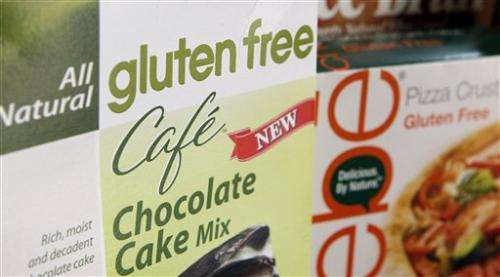
'Gluten-free' labeling standards kick in
How to Read a Food Label: Tips for Allergy Sufferers While wheat has to be labeled on products, other sources of gluten—e.g., barley and rye—are not required to be disclosed. This can be particularly scary for people with celiac disease. If that's you, it's best to stick with products that are labeled "gluten free." There's no need to feel anxious every time you step into a grocery aisle.

Decoding Food Labels to Make Healthier Choices
› how-to-identify-gluten-onHow to Identify Gluten on Food Labels - Verywell Health People who need to avoid gluten usually know to check food labels for "wheat." You may need to read labels more carefully, though, to find other ingredients that contain gluten. Check for grains that are forms of wheat or which are made from wheat such as malt and farina. Also look for colorings, flavorings, or other additives.
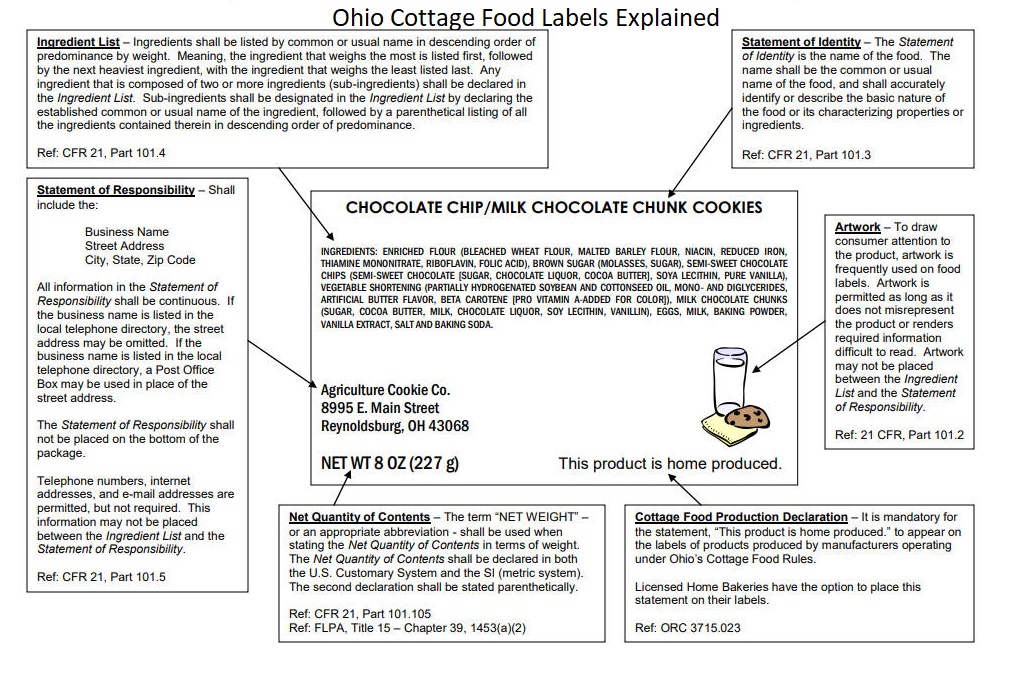
31 Food Label List Ingredients In - Labels Information List
38 Foods Where Gluten May Be “Hidden” - GIG® Gluten … 23.03.2021 · If you’re sensitive to gluten derived from wheat, barley, and rye, you must be more diligent about reading food labels. Check out our article: 3 Tips for Reading Gluten-Free Food Labels . To add to the confusion, some processed food items contain gluten – like certain salad dressings – but unless you read the ingredients label, it may not be obvious.
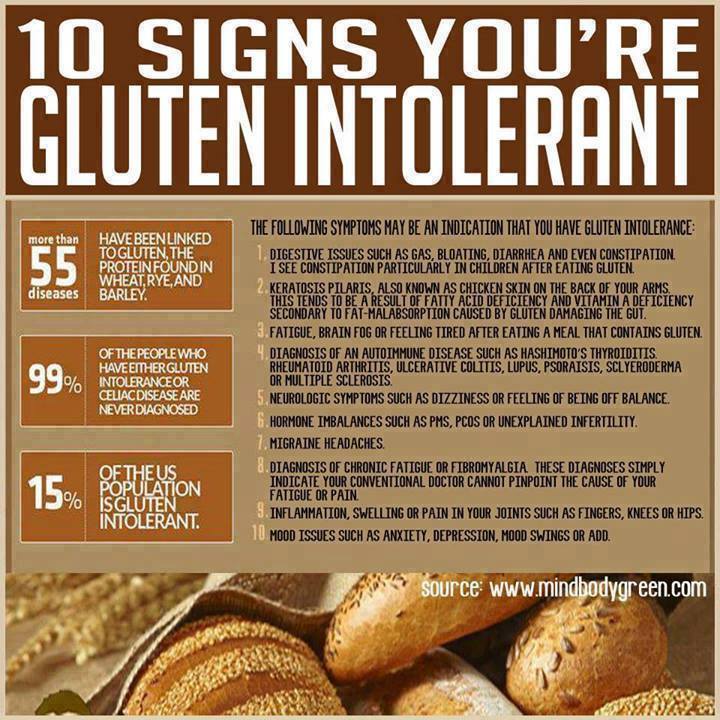
The Gluten Free Diet Plan: What You Need To Know
How to tell if a food is gluten-free - Gluten Free Dietitian In general, when determining whether a food product is made using gluten-containing ingredients you are looking for 6 words or ingredients: wheat, barley, rye, oats, malt, and brewer's yeast. With a few exceptions, if you see any of these words in an ingredient list or a "contains" statement the food is not gluten free.

Guide to Gluten-Free Labeling - Food Label Pro
Gluten-Free Food Labeling | BeyondCeliac.org In 2007, Beyond Celiac submitted a statement in response to FDA Docket Number 2005N-0279, endorsing clear and unambiguous labeling as essential in identifying products that contain gluten or, conversely, those that are gluten-free to be sure that gluten-free consumers eat safely.
Gluten Intolerance & a Sore Throat | Livestrong.com
Food Labeling; Gluten-Free Labeling of Fermented or Hydrolyzed Foods 13.08.2020 · Start Preamble AGENCY: Food and Drug Administration, HHS. ACTION: Final rule. SUMMARY: The Food and Drug Administration (FDA or we) is issuing a final rule to establish requirements Start Printed Page 49241 concerning “gluten-free” labeling for foods that are fermented or hydrolyzed or that contain fermented or hydrolyzed ingredients. These …
/Food-label-Envision-575f13f25f9b58f22ee9a2dc.jpg)
How to Identify Gluten On Food Labels
Food labels - Coeliac UK Our Crossed Grain symbol is a helpful, quick and easy way of identifying foods you can eat. Food products that have the Crossed Grain symbol on the packaging are gluten free and safe for people with coeliac disease. There are different types of licence for the symbol based on where the product is sold and what ingredients are in the product.
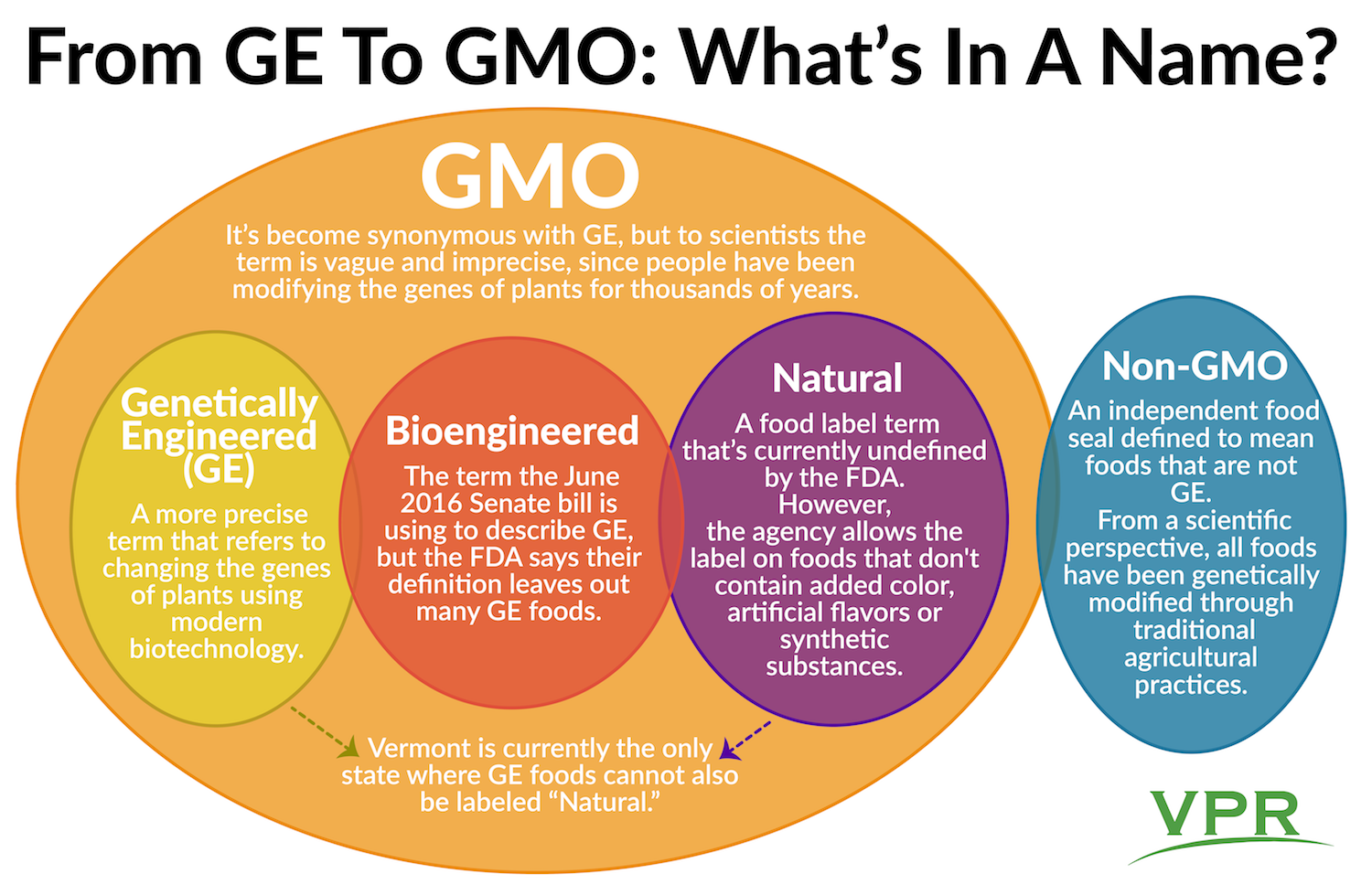
GMO, GE, Bioengineered...What Do All These Food Labels Mean? | Vermont Public Radio
› how-to-read-food-labelsHow to read food labels | healthdirect Energy: A kilojoule is a measure of energy. To lose weight, you need to eat and drink fewer kilojoules (kJ) than you use. You should limit your intake of discretionary or junk foods — i.e. those that have more than 600kJ per serve.

Identifying Gluten on Food Labels: Become a Master in Minutes! | The Gluten Free Mentor
Gluten-Free Food Labels: What Restaurants Need to Know Regulations for gluten-free foods haven't been easily defined for food service operators, and gluten can be difficult to identify on most food labels. Since gluten is the protein found in wheat, rye, barley, and their derivatives, it can be found in many products. Simply looking for wheat in the allergen statement alone does not guarantee the item is gluten-free.

Identifying Gluten on Food Labels: Become a Master in Minutes! | The Gluten Free Mentor
Food Allergens and Gluten-Free Guidance & Regulatory Information The Act requires that food labels must clearly identify the food source names of any ingredients that are one of the major food allergens or contain any protein derived from a …

Pin on Gluten Free Foods & Product Labels
hungry.aussievitamin.com Verywell Health's content is for informational and educational purposes only. Our website is not intended to be a substitute for professional medical advice, diagnosis, or treatment.

Surprising Places Food Allergens Lurk | Everyday Health
Food Labels: Read It Before You Eat It! - American Academy of Allergy ... Milk (from cow). However, someone allergic to cow's milk would likely react to milk from sheep, goats and maybe camels. 2. Eggs (from chickens). However, someone allergic to chicken egg would also likely react to eggs from other birds. 3. Fish (fin fish including bass, flounder, trout, cod, salmon, shark and skate) 4.

34 Food Label Of Milk - Labels Information List
Understanding Food Labels | The Nutrition Source | Harvard T.H. Other potential allergens include gluten and color additives such as FD&C Yellow No. 5. The FDA mandates that a product containing FD&C Yellow No. 5 must identify it on the food label. The term “gluten-free” can be listed on a label if it meets a specific maximum amount of gluten as defined by the FDA. Sell-by, Best-by, and Use-by dates
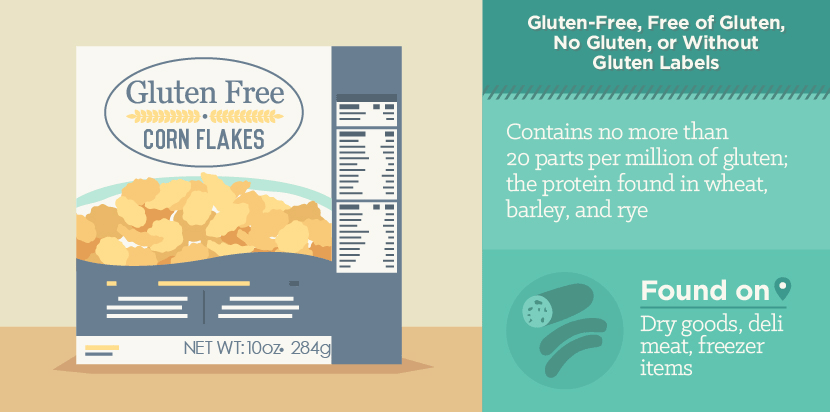
How To Decipher Grocery Labels | Care2 Healthy Living
Gluten-Free Labeling of Foods | FDA It covers foods such as yogurt, sauerkraut, pickles, cheese, green olives, FDA-regulated beers and wines (e.g., generally those with less than 7 percent alcohol), and hydrolyzed plant proteins used...

Blog - Page 56 of 267 - Design Dazzle
How to identify gluten on a food label if you have coeliac disease Cristian Costas Specialist Coeliac Dietitian at Bradford Teaching Hospitals in the UK goes through the steps to identify gluten on a food label by using some common UK crisp packets.
Post a Comment for "43 how to identify gluten in food labels"